“Anger is a call for help. Outrage is what happens when no one answers.”
A map for the emotional territory we’re all living in.
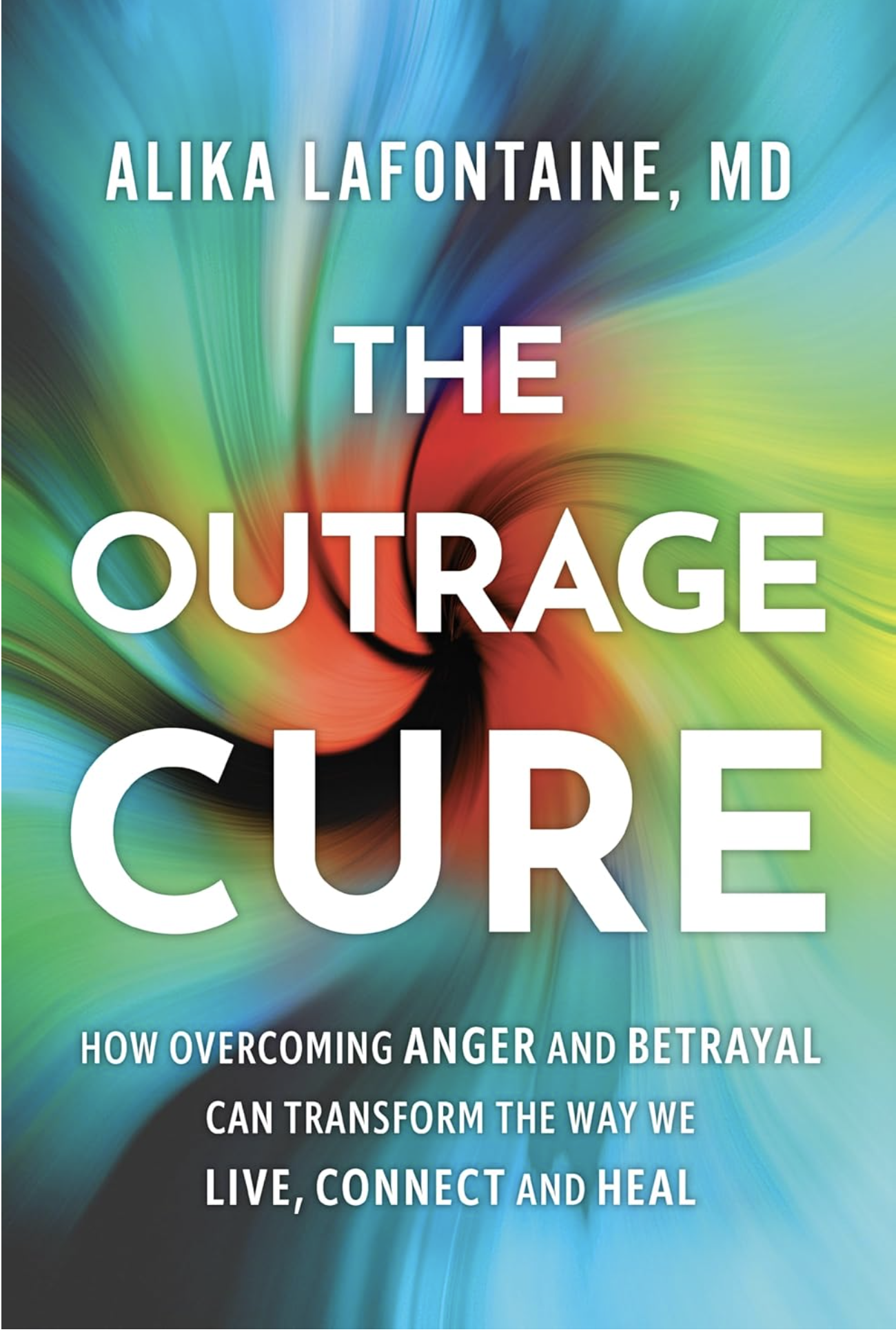
The Outrage Cure — a national bestseller from HarperCollins.
CBC The Current
Blue Skies Podcast
The Globe and Mail
Globe and Mail National Bestseller
The Walrus
CBC Alberta at Noon
CBC Ontario Today
580 CFRA
SiriusXM
The Book
Why everything feels broken — and what it’s actually costing us
Friendships shattered over single conversations. Institutions nobody trusts. People furious at everything and exhausted by all of it. Alika Lafontaine spent two decades inside the systems generating this anger — and years figuring out what it would take to heal it.
This isn’t a book about calming down. It’s a diagnostic. It gives you the map to understand what’s happening inside yourself and the people around you — so you can respond before the cost becomes permanent.
Published by HarperCollins. Available wherever books are sold online or in person.
The Theory
The emotional progression underneath our fractured relationships
Most of us are living inside this cycle without a map. The Outrage Cure charts the progression — where it starts, how it compounds, and where the way back begins.
-
Something important is taken: security, identity, connection, trust. Loss is the precondition for everything that follows. It doesn’t announce itself as loss — it often arrives as a label, a dismissal, a system that simply doesn’t see you.
-
Anger is a call for help, a signal to others that loss has occurred and help is needed. True anger is rarely a problem. It is natural, healthy, necessary, and legible — as long as someone responds to it.
-
When the people or institutions expected to respond to anger instead stay silent, minimize, or cause further harm, anger begins its transformation. The problem is no longer the original loss — it’s the failure of the people who were supposed to help. This is where DARVO appears: Deny, Attack, Reverse Victim and Offender.
-
Outrage is the verdict that follows betrayal: “you didn’t come help me, so you must be incompetent or not credible.” Solving the original problem is no longer enough. When people lose faith that problem-solvers have the skills to fix the problem (competence) and/or lack the morals to act ethically (credibility), trust wavers until it's lost.
-
Sustained outrage requires ongoing emotional fuel, so the outraged look for others who call for reform and rejection of the status quo. This may be general or specific–if specific the people who failed them must be removed and if general, the status quos must be reshaped. Tribal identity forms around shared grievance. Logical arguments about outcomes carry almost no weight here, because the emotional investment is no longer in the issue. It's the mission to reject and reform.
-
Emotional distortion fields — produced by algorithms, bad-faith actors, and digital environments stripped of analog friction — feed and amplify outrage, driving the stakes to be existential, even when they may not be. As emotions rise, they reach a rupture point that feels final. The phone call with Tom that starts the book illustrates how, in a distorted environment, existential stakes destroy relationships. At an individual level, high-intensity outrage destroys relationships one by one until very few are left.
-
When every attempt to change things seems to fail, and even the rupture produces no resolution, people stop trying. Indifference is not peace — it is stasis. The limbic system shuts down, and people who are no longer moving cannot be moved. This makes indifference the most dangerous state for builders and fixers, who depend on people’s willingness to engage. The book identifies this stage and notes that it creates an opening for extractors — actors who want to steal value from systems they aren’t interested in building up, and who mistake stasis for a stable end state. Note: the book warns that the safeguards against these actors have eroded and must be rebuilt, but also states systems, relationships, and institutions don’t just stagnate at indifference. They die.
The theory, applied in real time
Politics
How Canada’s political moment runs on outrage — and how leaders diagnose or exploit the country’s anger.
Healthcare Physician disputes, burnout, and system mistrust read as stages on the map — not personality failures.
Workplaces Why teams stop believing change is possible, and what leaders can do before indifference sets in.
Relationships How single conversations destroy decades-old bonds — and the practical path back to people you’ve lost.
What the Book Will Help You Do
Whether you’re navigating a fractured relationship, leading a divided team, or trying to make sense of a world on edge
Understand why single conversations destroy relationships that took decades to build
Recognize when outrage has been weaponized against you — in the news, your workplace, your community
Find language for the stage no one talks about: the indifference that settles in when people stop believing anything will change
Follow a practical path back to people and causes you’ve distanced yourself from
Lead teams and organizations through cycles of anger and mistrust